Banning ball sports at Bourke Street Public School highlights a deeper issue in school ground design—better planning and management can mitigate conflicts between active and passive play, ensuring all children benefit from recess.
Author: Dr Fatemeh Aminpour
The recent decision by Bourke Street Public School to ban ball sports at lunchtime has sparked significant debate. While intended to promote fairness and inclusivity, this measure highlights a deeper issue in urban schools: overcrowded and poorly designed play spaces that force schools to impose restrictive rules rather than implement spatial solutions. Instead of banning activities outright, better design and management of school grounds, along with the strategic use of nearby public spaces, can help accommodate all children’s play needs.
The need for sufficient open play space
Education Facilities Standards and Guidelines, set by the NSW Department of Education, recommends 10 square meters per child for outdoor play. However, Australian schools are increasingly catering to larger student populations. To manage this growth, many schools introduce demountable classrooms, which reduce available outdoor space. As school populations rise, the demand for free space—both indoors and outdoors—grows. Yet, in many cases, instead of increasing available space, restrictive rules like Out-of-Bounds zones further exacerbate the problem by limiting the areas children can use, even when those areas are attractive due to their physical and social qualities.
Addressing conflicts between different play needs
One key reason Bourke Street Public School justified banning ball sports was the limited space available for multiple types of play. Ideally, schools should offer distinct zones for different activities:
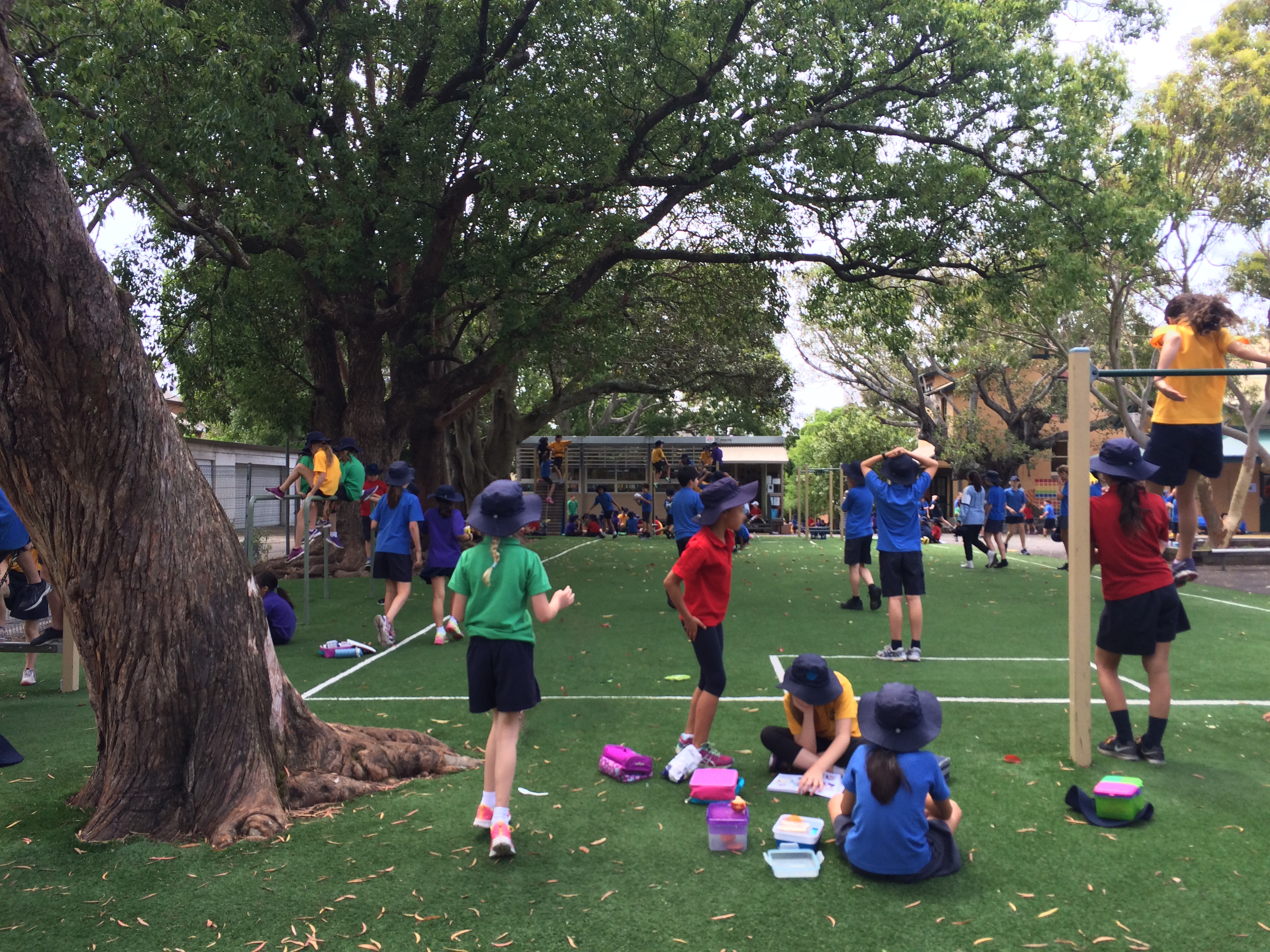
- Fine motor activities: These include sitting and reading a book, talking with friends, or playing games like cards. Students often preferred covered outdoor learning areas (COLAs) for these activities, as they provided shade and seating.
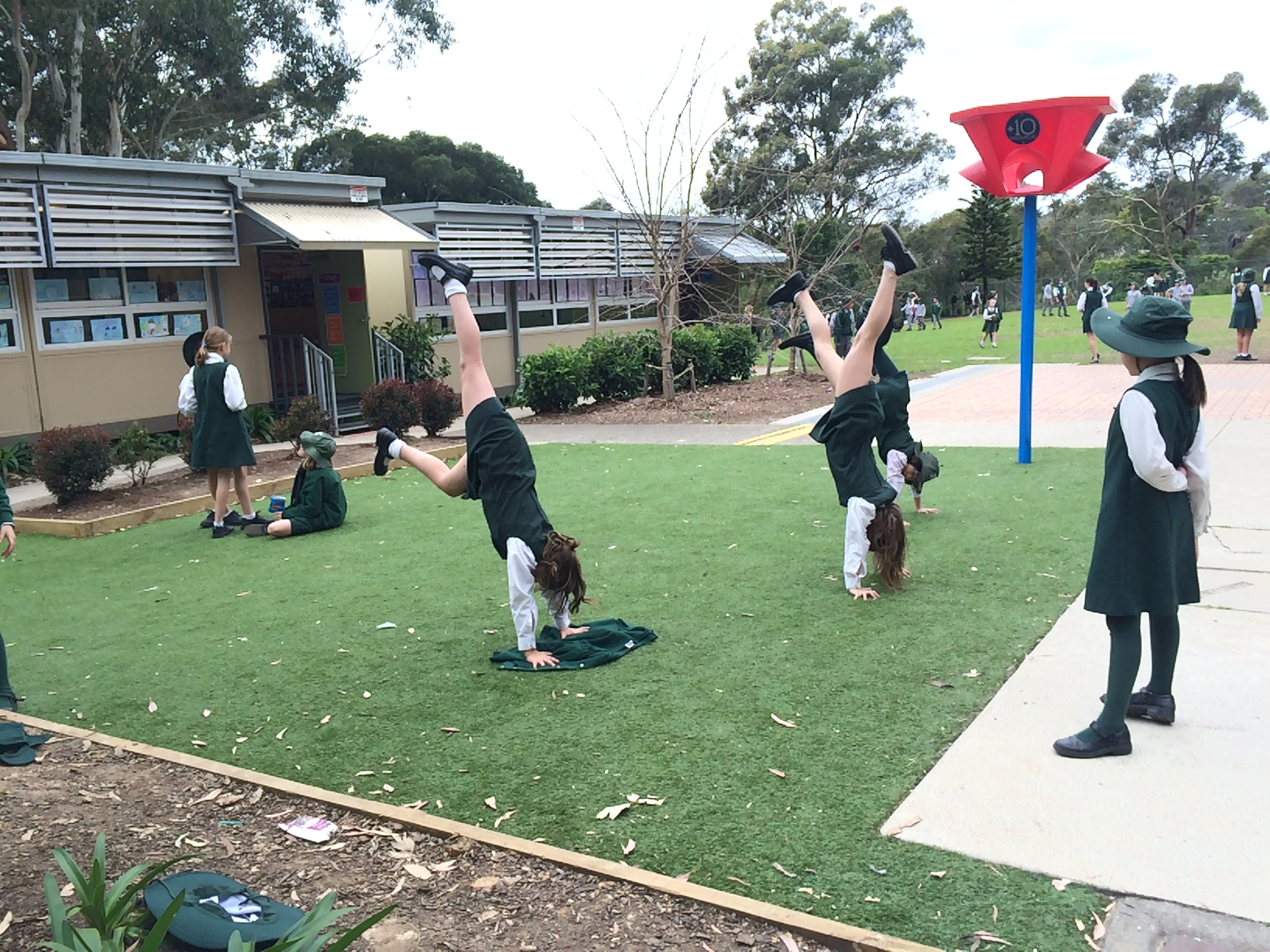
- Gross motor activities: Running, ball games, and other physically active play are essential for children’s health and development but were perceived as “disruptive” when mixed with fine motor activities.
In the absence of separate designated zones, my research shows that conflict between these different types of play became more frequent. This can lead to blanket bans as a short-term solution.

The importance of multiple zones for gross motor activities
My research has shown that children prefer to engage in diverse types of gross motor activities and require more than one designated space to prevent conflict. Instead of relying on a single grassed area, students expressed a preference to “play more separate games”. When multiple gross motor zones were unavailable, schools faced challenges in managing activities fairly and safely.
The role of physical barriers in managing play conflict
When separate play areas cannot be established, schools can use physical barriers to mitigate conflicts. These barriers can take different forms:
- Formal barriers: Nets, fences, or walls to divide different play areas.
- Informal barriers: Rows of trees, benches, raised edges, or strategic furniture placement.
- Buffer zones: Open space between play settings to prevent unintended intrusion into another play area.

These strategies can prevent unintended disruptions, ensuring all children can engage in their preferred activities without interference.
Expanding play opportunities through shared use of public open spaces
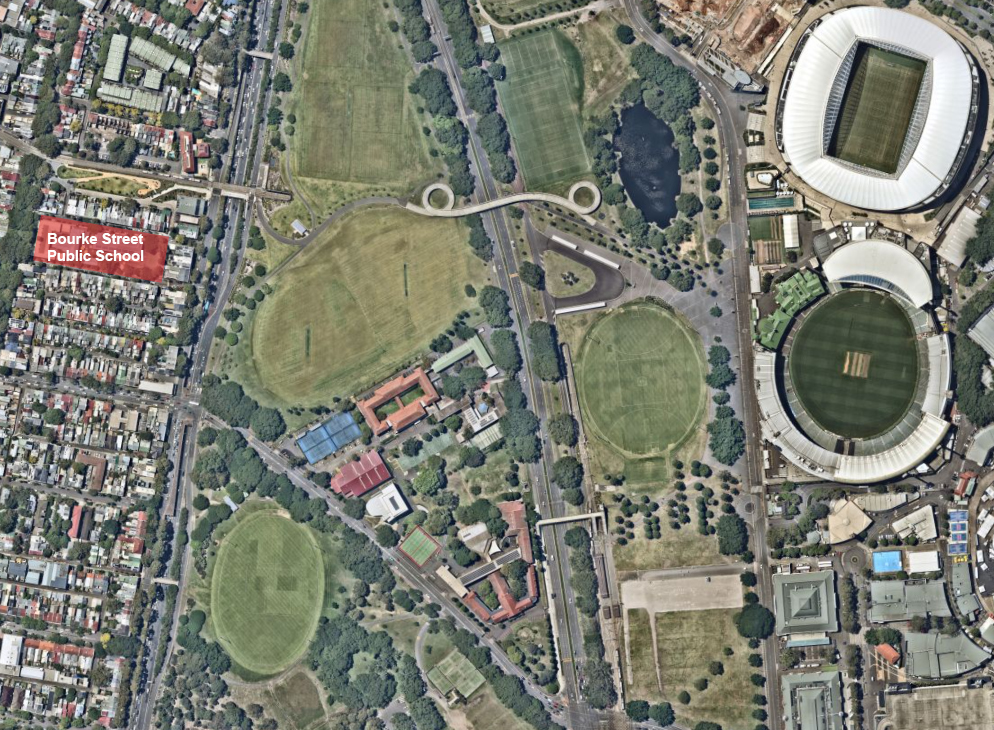
In cases where school grounds are insufficient, local parks and open spaces offer a valuable alternative to ease overcrowding. However, for this to be a viable option, three key considerations must be addressed:
- Connectivity to public open spaces: Schools need safe, convenient access to nearby parks. Many schools, despite being within walking distance of public open spaces, are deterred from using them due to busy roads, heavy traffic, and unsafe crossings. Urban planning should prioritise better connectivity between schools and open spaces.
- Design and operation of public open spaces: Not all public spaces are equipped to support school recess activities. Essential amenities include toilet blocks, shade, litter bins, drinking fountains, benches, sports fields, and play equipment. Without these features, parks remain underutilised despite their potential benefits. A co-design process involving schools, local councils, and urban designers can ensure these spaces are suitable for school use.
- Responsibility for managing shared spaces: As more schools rely on public spaces, the responsibility for maintaining them shifts from local governments to state authorities. Mutually agreed guidelines and policies are needed to coordinate this transition and ensure that school access to public spaces is effectively managed.
Rethinking school play space management
The Bourke Street Public School case reflects a broader challenge in urban school environments. Rather than prohibiting ball games and restricting children’s movement, a more sustainable solution lies in better spatial planning, creative zoning, and shared use of public spaces. With thoughtful design, schools can provide all children with equitable access to diverse play opportunities, supporting various types of physical activity and social interaction without unnecessary conflict. Policymakers, educators, and urban planners must work together to prioritise these solutions and ensure that school recess remains a time for fair, inclusive, and active play for all.