This short article is part of our '20 high impact research stories' series. This has been assembled to mark two decades of the City Futures Research Centre 2005-2025. Each of the 20 stories revisits an influential research study completed over those 20 years, linking it with related Centre projects and outcomes. A brochure version of all 20 stories will be published later in 2025.
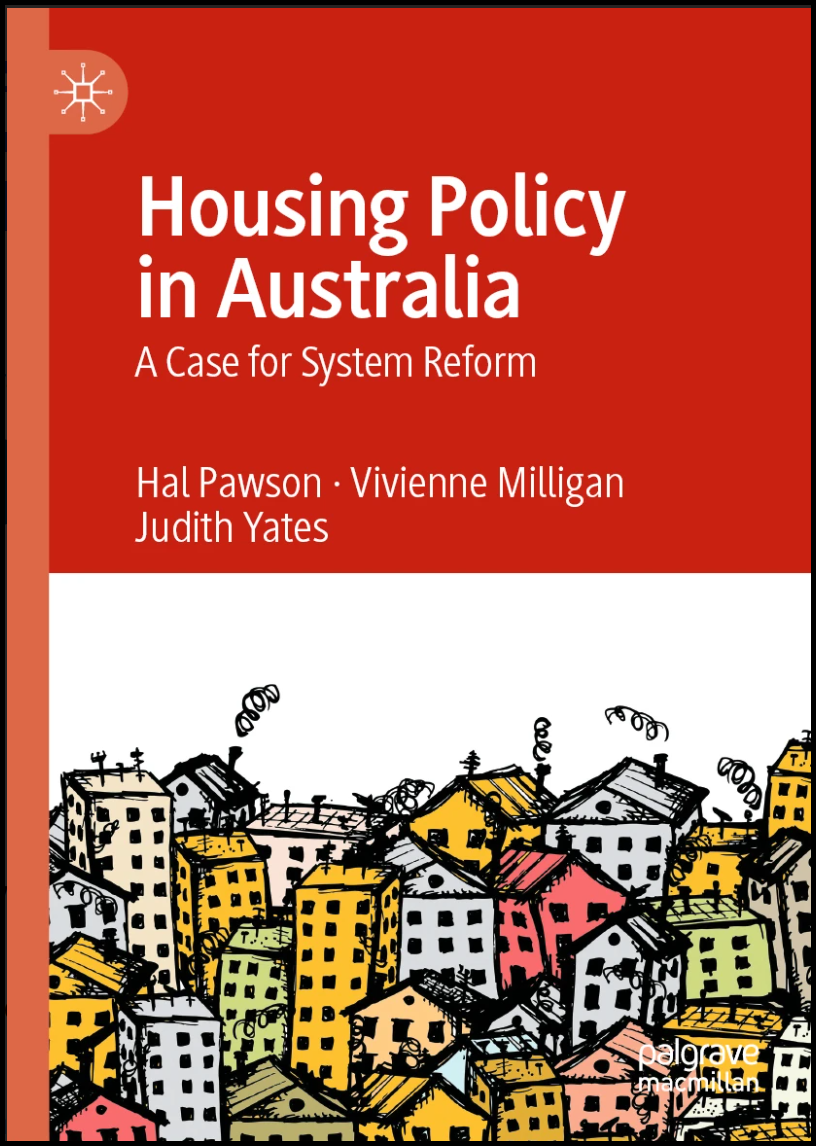
Published in 2020, Housing Policy in Australia: A Case for System Reform by Prof Hal Pawson and colleagues provided a comprehensive analysis of Australia’s housing system, exposing its weaknesses and calling for structural reforms. The book underscored the need for better governance, long-term policy commitments, and a stronger role for government in addressing affordability and homelessness. These themes have since informed policy debates across the country, influencing not just academic discourse but also advocacy and government action.
From national reform to state-level action: The case of Queensland
Queensland’s housing crisis in the post-pandemic period starkly illustrated the issues outlined in Housing Policy in Australia. The state faced unprecedented housing pressures, with rent inflation and homelessness rising faster than any other jurisdiction. Against this backdrop, a pair of CFRC studies commissioned by the Queensland Council of Social Service (QCOSS), a community advocacy organisation, in 2023 and 2024 translated broad reform principles into actionable policy solutions for the state.
Shifting the narrative on housing in Queensland
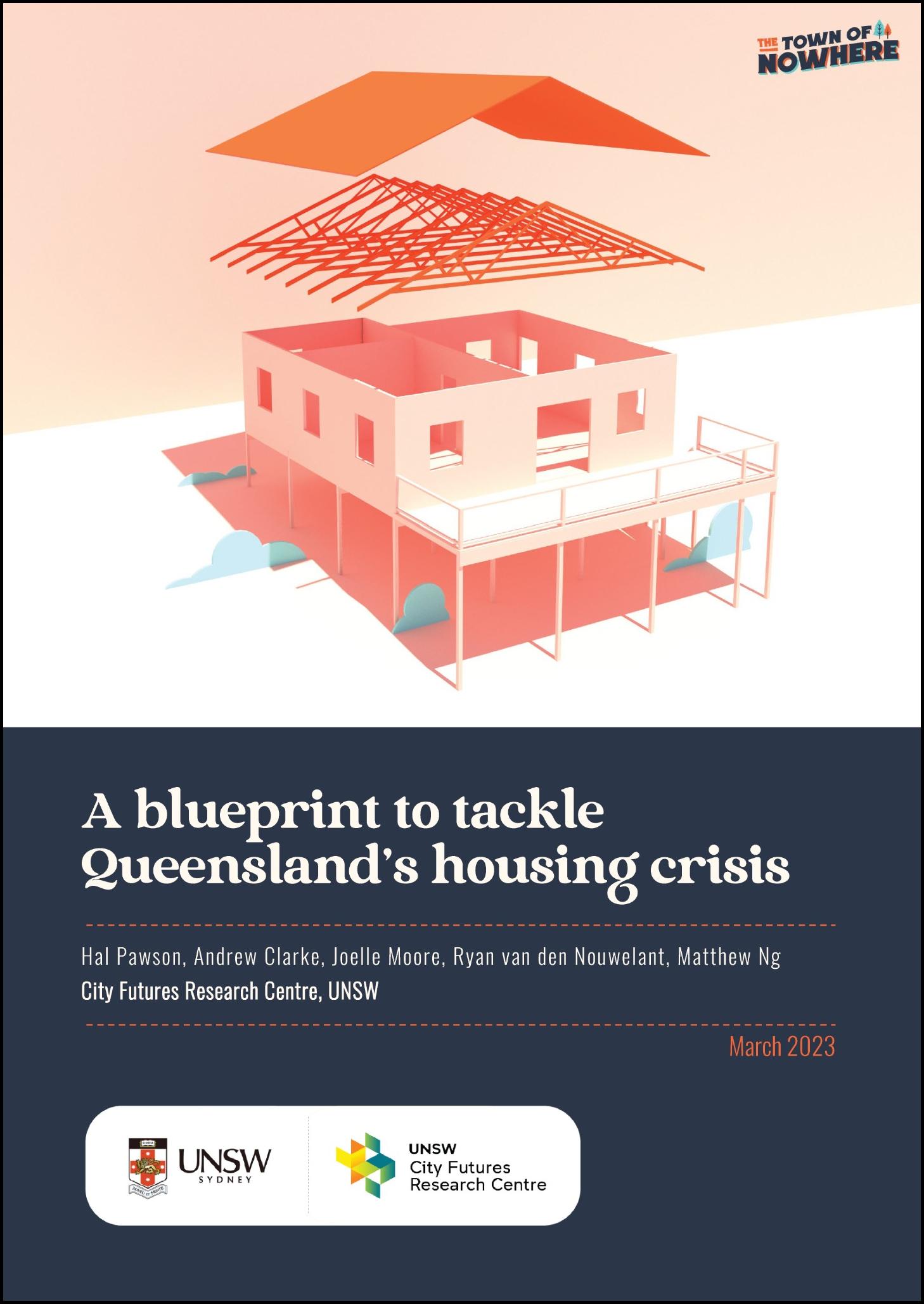
The first report, A Blueprint to Tackle Queensland’s Housing Crisis (2023) used CFRC census-based modelling to demonstrate the severity of unmet housing needs, revealing that over 100,000 households lacked access to adequate, affordable housing. The report also outlined a roadmap for reform, calling for stronger governance, increased social housing investment, and regulatory changes to improve rental affordability.
The report gained extensive media coverage and was instrumental in shifting the public and political discourse on housing in Queensland. QCOSS CEO, Aimee McVeigh, commented that the research:
“…provided us with evidence that was fundamental to our advocacy and to us being able to successfully change the conversation about housing in Queensland. The state government and community now recognise that there is a housing crisis in Queensland!”
Strengthening housing policy governance
Importantly, the 2023 report argued that Queensland’s housing affordability and homelessness problems had been compounded by the state’s fragmented and underpowered approach to policymaking in these areas.
Consistent with this analysis, and as reflected in our second report, Breaking Ground: Progress Update and Assessment of Queensland’s Housing Crisis (May 2024), the Queensland Government undertook a large scale reorganisation of housing policy governance during 2023-24, creating a unified stand-alone housing department, a cross-departmental housing committee and an expert advisory panel.
For QCOSS, the reports helped to inform policy reform proposals and campaigns:
“The evidence-based solutions outlined in … A Blueprint to tackle Queensland’s housing crisis have enabled our effective participation in housing reform discussions. Using the solutions outlined in the blueprint, we can demonstrate to government that the housing crisis is solvable.” (Aimee McVeigh, CEO, QCOSS).

The role of research in policy reform
The trajectory from Housing Policy in Australia: A Case for System Reform to the Queensland-focused reports how the Centre’s research can materially influence public policy and advocacy. When research is aligned with the needs of advocacy groups and decision-makers, and when it is conducted with independent authority and rigour, it can provide a spur for tangible change.